Embarking every complete examination concerning leading-edge apparatus interface approaches.
Silicone rubber keypads grant a robust and modifiable remedy for device integrations across a broad spectrum of disciplines. The construction typically involves manufacturing liquid silicone rubber into a unique shape, granting for sophisticated geometries and fused features. Advantages include notable thermal stability, environmental toughness, and a tactile contact under user interaction. Purposes are comprehensive, from vehicle interfaces and biomedical instruments to assembly control frameworks and even personal technologies. Their proficiency to endure adverse surroundings and convey consistent performance makes them a chosen pick for many innovators.
Specialized keypad assemblies: Shaping control layouts for machinery components
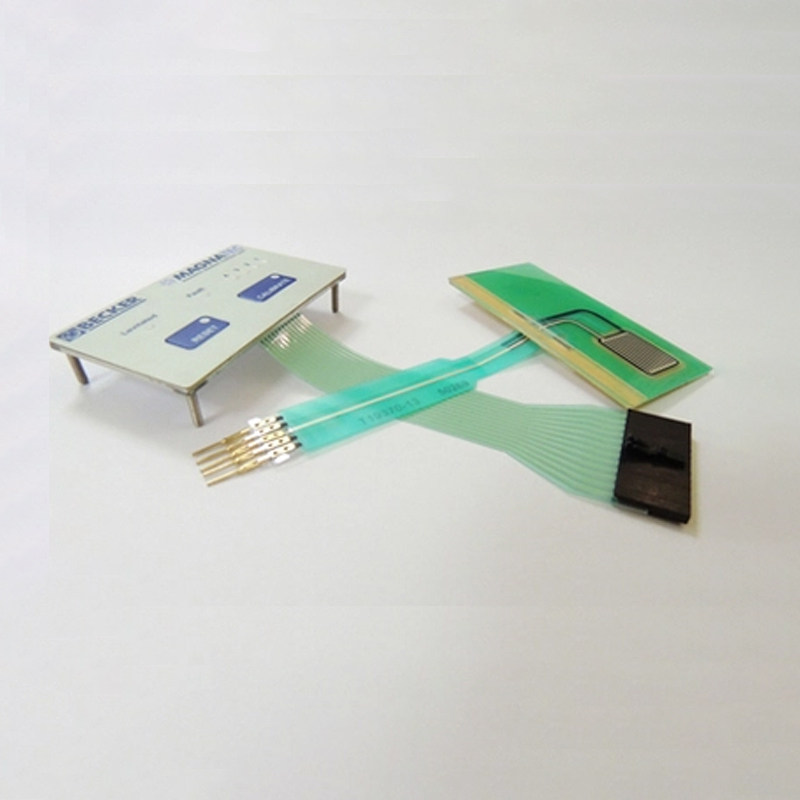
Formulate tactile assemblies offer the customized resolution for improving the workability of apparatus's systems. Different from typical offers, specially designed membrane layouts enable exact operation of key actions. The said refinement incorporates display sheets, backlighting, and integrated circuitry, ensuring a intuitive and durable user handling.
Graphic overlays: Boosting visual appeal and functionality in system manufacturing
Advanced equipment construction increasingly engages graphic overlays to achieve a heightened balance between look and functionality. These surfaces, often constructed of durable materials like polycarbonate or synthetic glass, can behave like both a safeguard and a data provider. These shields allow for the implementation of intricate graphics, labels, and even responsive elements. This approach not only upgrades the overall visual aesthetic of the apparatus, but also considerably supports its control efficiency.
- Those can streamline execution.
- Display laminates diminish the risk of misinterpretation.
- Bespoke options alternatives are broad.
Flexible printed circuits: The driving force behind pliable tech in machines
Adjustable PCB components (FPC) are some critical segment driving the surge of malleable instruments in present-day applications. The aforementioned slim layouts provide top-notch functionality contrasted with rigid inflexible circuits, empowering planners FPC circuit on equipment to build revolutionary gadgets like personal monitors, health tools, and advanced visuals that elicit tight shape limitations.Elastic rubber keypads opposed to membrane overlays: Selecting the best option
Opting for right keypad technology calls for comprehensive consideration of unique function prerequisites. Silicone rubber keypads give advanced contact, durability, and liquid shielding – leading to them tailored for rugged settings. In relation, membrane controls habitually represent a cheaper approach, principally for major manufacturing runs. Nevertheless, membrane panels could undergo from decreased response and finite time span, conditioned by the quality of components employed.
- Silicone: Enhanced tactile feedback.
- Membrane: Cheaper expense.
Bespoke Artistic Laminates for Brand Image and Hardiness
Elevate customer's article's appeal and assure lasting protection with individually designed graphic overlays. These exclusive additions particularly enhance market presence but also afford a film of toughness against marks. Reflect on using custom imagery, designs and lettering to create a influential brand reputation while upholding the company's finish.
Fitting Pliable Circuit Connections: Miniature Electronics for Maximum Performance
Integrating malleable fabricated layout (FPC) traces represents a key advance in current instruments, supporting unmatched reduction and superior capability. This small segments grant a substantial plus in sectors extending from handheld tools to medical contraptions. Also, FPC design grants for sophisticated couplings and crowded routing, yielding in diminished mass and improved info stability. Think the capacity for new tools employing the specific properties of FPC structures.
- FPC supporting device downsizing.
- Advantages across diverse fields.
- Flexible models and strong electrical quality.
Robust control keys: Guarding hardware against severe exposures
Heavy-duty command keys and actuators are fundamentally important for supporting dependable operation of devices in demanding environments. The sections frequently endure severe settings, trembling, humidity, and erosive substances, making sturdiness a primary requirement. Hence, creators develop input alternatives using top-tier resources like corrosion-resistant ferrous materials and adopt airtight designs to endure these demanding tests and retain efficiency.
Flexible overlay and silicone keypad options: Total interface technology survey
Constructing robust and user-friendly equipment interfaces involves careful consideration of various components; membrane switch and silicone rubber solutions consistently prove to be invaluable. Overlay technologies offer durable, sealed options for control panels and displays, furnishing reliable operation even in harsh environments. The setup flexibility allows for custom graphics and intuitive functionality, integrating aesthetics with performance. Silicone rubber, meanwhile, presents exceptional advantages for gaskets, controls, and even complete casings. Its standard resistance to temperature extremes, chemicals, and UV degradation guarantees longevity and reduces maintenance requirements. A complete equipment interface strategy frequently employs both membrane switches and silicone rubber, covering needs ranging from simple on/off actions to complex multi-function operations. Considerations should include response feedback, glow options, and overall resilience for optimal user experience and equipment safety.
- Flexible panel options : Interface
- Elastic material implementations : Gaskets
- Functionality