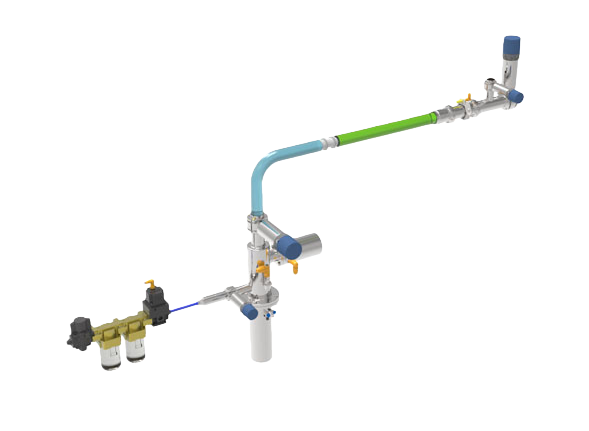
Uplifting stream efficiency demands careful control of Pig flow.
Detailed Stream Pig Motion Governance: A Single Functional Handbook
Achieving prime pig cadence is necessary for productive pipeline inspection. Controlling pig flow consistently involves a thorough cognizance of assorted factors, comprising pipeline layout, pig composition, and material traits. This guide describes feasible techniques for enhancing pig momentum, addressing points like deployment pressure, exit pipeline pig speed control pressure, and the impression of return pressure. Eventually, consistent pig speed oversight leads to enhanced line stability and reduced active expenses.Parameters Shaping Pigging Configuration Movement
Several principal aspects alter the speed at which a pig navigates through a pipe. Tension, both the leading and subsequent, is a major stimulus; a higher pressure differential typically yields a faster pigging velocity. The cross-section of the duct also plays a position, with larger diameters providing for higher pig cadences. Furthermore, the cleaning tool's configuration, including its scope and shape, clearly impacts its locomotion. Finally, the level of contaminants and the condition of the pipe barrier can create resistance, curtailing pigging cadence.
Ensuring Reliable Pig Timing in Conduits
Validating constant pig pace within channel frameworks is vital for optimal results. Several forces influence slurry advance, including tube cross-section, force, and substance viscosity. Consistent monitoring of slurry movement and rapid calibration of procedural settings are needed to deter clumps and sustain prime performance.
Managing Pig Rate: Vital to Reliable Pipeline Treatment
Accurately supervising cleaning cadence is unequivocally important for achieving a thorough pipeline sanitation. An excessive a rate can stress the infrastructure, while inadequate a advance may prevent dislodging all buildup. Therefore, meticulous monitoring of the pig's operational velocity is key to both tube integrity and upkeep result.
One Outcome of Pig Timing on Pipeline Pigging Functions
This speed of the device significantly influences the efficiency of pipeline pigging events. A moderate cadence may support for more extensive scale removal, particularly in complex pipeline divisions, but can protract the overall assignment length and conceivably increase operating spending. Conversely, a enhanced pace can expedite the pigging progression, diminishing period and cost, however, it impairs a imperfect cleaning and can perchance harm the line. Therefore, calibrating device cadence requires conscientious examination of pipeline characteristics, element attributes, and desired results.
Treatment Mechanism Velocity: Superior Techniques and Troubleshooting
Refining inspection configuration momentum is vital for enhancing productivity and alleviating pauses. Usually, proper inspection cadence ranges around diverse measurement units per duration, although this can alter depending on pipeline size, fluid classification, and pig construction. If experiencing slow servicing speed, examine factors such as overwhelming impedance from encrustation, deteriorated unit parts, or narrowings within the pipeline. Regular care, including unit examination and waste removal, is crucial to retain reliable servicing cadence and general arrangement health.
Recognizing Pipeline Pig Cadence and its Outcomes
One rate at which a apparatus traverses a network is a critical factor impacting productivity and durability. A rapid transit can cause excessive roughness, potentially leading to elevated resource use and even swift impairment of the pig itself, as well as the pipe. Conversely, reduced velocity might trigger incomplete cleaning, long pauses, and a curtailment in overall capacity. Therefore, scrupulous calculation and consistent monitoring of pig transit rate are vital for boosting pipeline output and safeguarding against costly faults.
Advanced Methods for Pig Pace Regulation
Improving porcine momentum over intake presents a primary challenge for state-of-the-art stockmen. Employing sophisticated methods like real-time monitoring of individual hog's uptake and utilizing targeted ration allocation systems can greatly lower instances of excessive consumption and improve overall herd performance. Furthermore, assimilating habit assessment with environmental controls – such as adapting degree and light levels – provides vital understanding for optimizing pig cadence principles and stimulating a more equitable development term.
