Greetings,
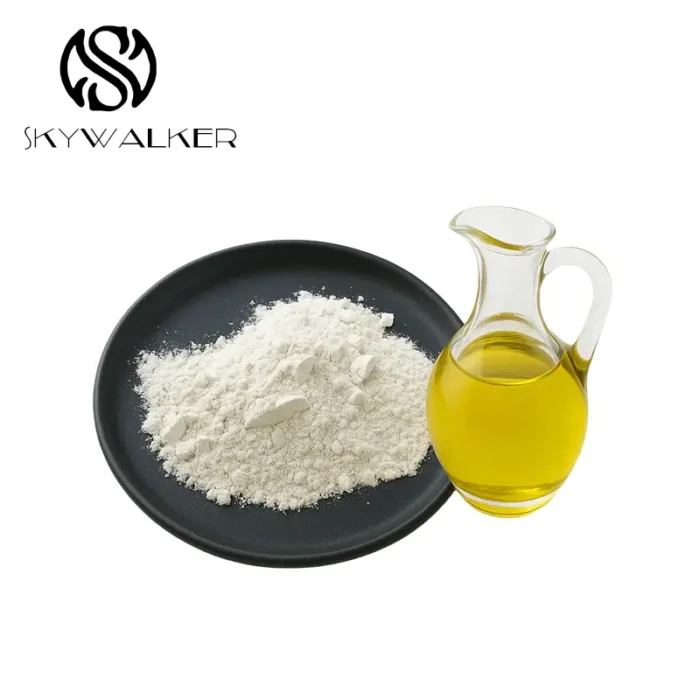
Organic grain, typically termed diatomite, represents a distinctive authentic filtration process. Recovered from the fossilized remains of microscopic microorganisms, this granular material boasts a unique structure – millions of tiny, void chambers creating a large surface area. This build provides exceptional separating capabilities, effectively removing contaminants from wets. It’s a non-toxic and natural choice to chemical filters across various markets, including pool filtration, beverage processing, and crop systems.
Diatomite Filter Aid: A Detailed Manual for Enhanced Outcomes
Gaining sparkling consequences in your processing activities often depends on effective clarification methods. Diatomite filter aid, a powerful natural agent, offers a meaningful improvement, acting as a layer to retain microparticles that would otherwise pass through your screen. This guide will review how diatomaceous earth – often simply called diatomite – works, its distinct applications in drink processing, and advantageous tips for maximal performance. Proper utilization of diatomite can dramatically raise the purity of your final item, leading to excellent taste and appearance.
Kieselguhr Breakdown: Uses, Strengths, and Welfare
Silica sediment, called diatomaceous material, is a ubiquitous sedimentary rock composed of the fossilized remains of algae. It's primarily consisting of silicon dioxide, silicon-based substance, and has a extremely porous structure. This unique composition lends itself to a range of applications across several domains. Here's a look at its roles:- Refinement: Extensively employed in cleaning systems and beverage fermentation to remove pollutants.
- Pest Regulation: Acts as a non-toxic pest control by damaging the external surfaces of insects.
- Shining: Employed as a fine abrasive material in metal buffing.
- Medication & Meals: Can be mixed into anticaking agents and excipients in certain products.
Choosing a Correct Clarifying Agent Product: Instructions concerning Your Activity
Identifying this best filtering product powder class is paramount towards guaranteeing effective processing throughout your activity. Assess thoroughly components namely particle extent, flow movement, cake composition, and chemical compatibility with the concoction. Frequent options consist of diatomaceous agent, perlite and cellulose threads, each presenting unique performance qualities. Suitable judgment of these components will aid you choose most most aligned purification agent plan.
Siliceous Substance vs. Other Purifying Aids: Top Option?
When picking a cleaning aid for your process, numerous solutions present beyond purely siliceous earth. While diatomaceous earth remains a favored solution due to its delicate particle volume and excellent removal abilities, substitutes like hydrated alumina and cellulose provide special positives. Eventually, the top-notch determination focuses on factors particularly expense, competence, fit with your personalized mixture and the recommended standard of separation.
Diatomite Science: Design and Clarifying Abilities
Sedimentary Silica is a singular sedimentary rock formed from the fossilized remains of single-celled algae. These small organisms possess intricately formed silica shells, termed cases, exhibiting a networked structure with a matrix of tiny pores and channels. The said architecture grants kieselguhr its exceptional screening capabilities; the large surface area and combined pore scope allow it to effectively seize dispersed matter from waters and air. Therefore, it's broadly utilized in multiple filtration applications, including wet medium purification, consumable liquid purification, and drug production.Renewable Filtering: Exploring Organic Filter Media Possibilities
Growing concerns involving aqueous matter cleanliness and ecological impression are prompting a investigation for sustainable filtration approaches. A certain remarkably appealing solution involves microscopic fossil dust, a organically existing naturally sedimentary lump composed of the casts of small-scale algae. Beyond usual separation devices that often use on created parts, diatomaceous diatomite offers a green variant. Its singular permeable architecture creates a extremely effective sieve capable of eliminating a sweeping diversity of impurities from different aqueous wells.
Take into account some pros of using diatomaceous earth in separation:
- Presents exceptional screening performance.
- Is biospherically harmless.
- Appears as a cost-effective way.
- May be deployed for diverse applications.
Personal Pool & Pond Cleaning: Using Microfossil Earth
Desire a gleaming pool or pond without relying on solutions? Look into using fossilized silica! This natural powder is a remarkably effective screening agent. It works by eliminating tiny debris and other sediment from the pond liquid. Directly add it directly to your recreational water zone or use it in a DIY water treatment system. Remember to use approved-grade diatomaceous earth, as other types can be toxic to ecosystem inhabitants. Here's how it can help:
- Removes algal blooms
- Enhances transparency
- Gives a organic alternative to toxic agents
Linking From Globe to Clarifier: The Progression of Natural Filter
Imagine a material seemingly everyday, yet generated over centuries – that’s diatomite. It starts as the casts of microscopic microorganisms, diatoms, that thrive in natural waters. When these minute creatures succumb, their silicon-rich cell layers drop to diatomaceous earth filter aid the lowest part of the volume of water, heaping over great periods. These deposits are then submerged under layers of ancillary sediment, placed to colossal pressure and temperature. Finally, this mass is mined, treated, and adapted into the adaptable filtering component we know as diatomite.