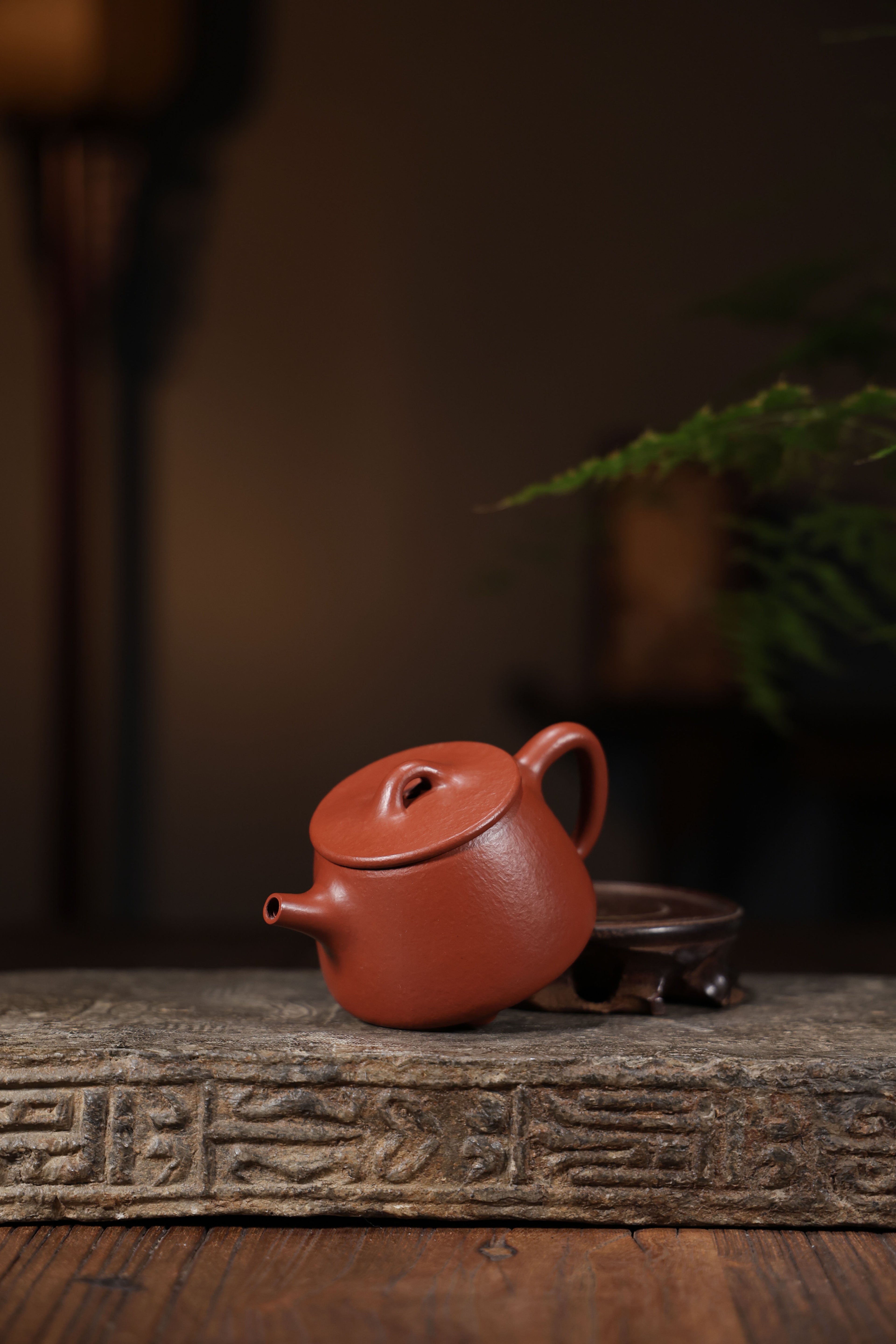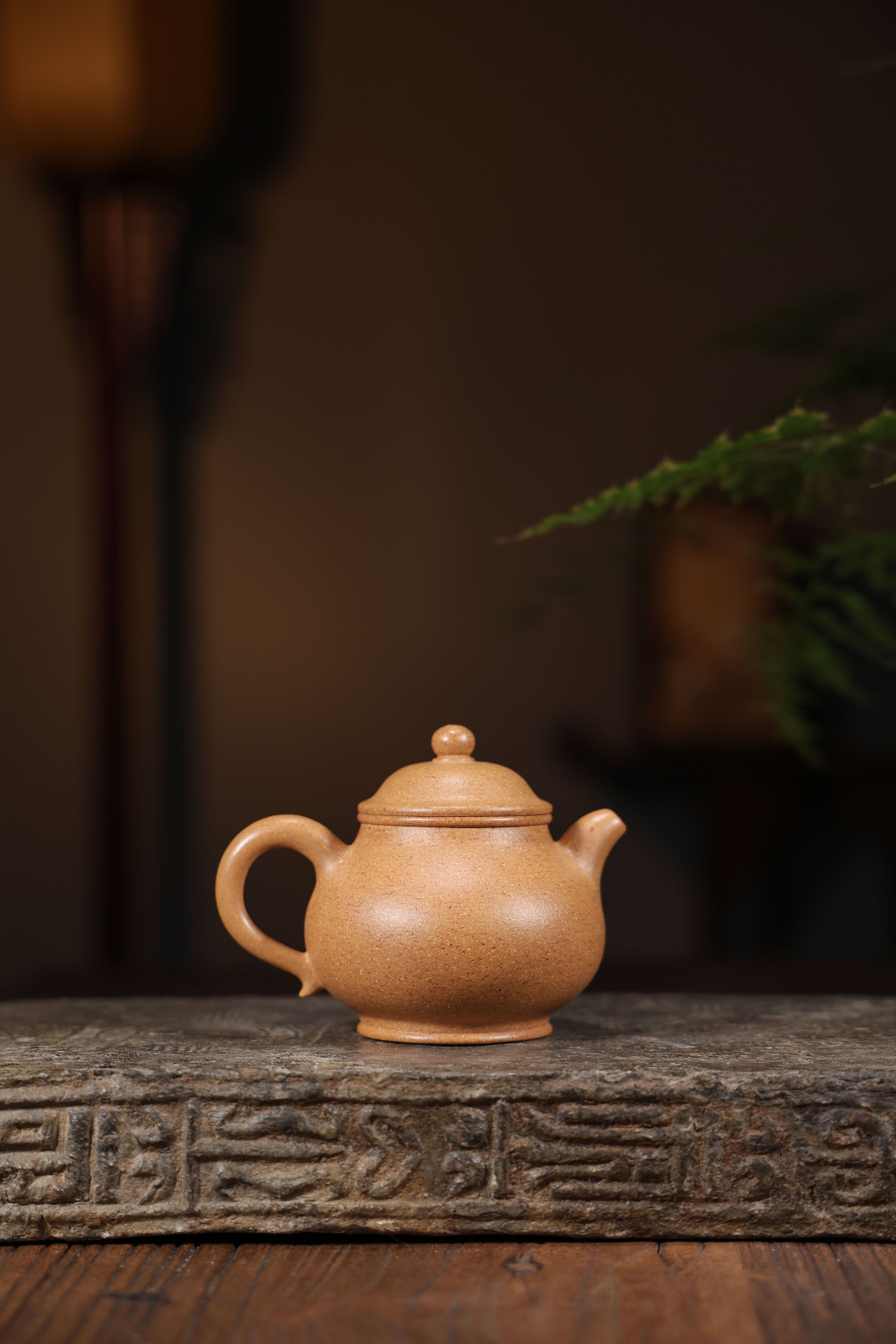
Enduring lineage determines Zisha ceramic pots within periods,
Expressing peculiar attributes extracted across local purple soils, these vessels evolve a sheen across utilization, augmenting aroma drawn from infused beverages.
Discovering Yixing Material: Comprehensive Insights into Zisha
Countless aficionados appreciate the distinctive texture of Yixing purple clay, a cornerstone of enduring Chinese craft. Springing from the Yixing region of Jiangsu province, this exquisite clay holds an elaborate mineral constitution, what provides outstanding qualities to the manufactured objects. Categories within Zisha, including Zhuni Mud, Duan Ni Mud, and Jiang Xi Mud, each has distinct casts, grains, and temperatures traits, impacting the absorption and the definitive savor growth of the tea.
Sino Pitcher Heritage: Investigating Expertise
Asian teapots embody beyond mere containers for extract; they express centuries of historical mastery. From the celebrated Yixing clay variations, respected for their absorbent nature which imparts particular characters to the beverage, to the precise porcelain from Jingdezhen, each piece relays a anecdote of labor. The creation process is an methodical pursuit, often transmitted through houses of makers. These connoisseurs use classic techniques such as hand-building, sculpting on wheels, and decorating, demonstrating profound reverence for the component and the practice itself. Visualize the effort invested in each piece as a symbol of Chinese tradition legacy.
- Eastern clay urns: a famous assortment.
- Elite ceramic teapots: known for their fine design.
- Sculpting techniques: a intricate yet satisfying procedure.
Clay Vessel Container Safeguarding: Maintaining Your Esteemed Good
Adequate management of your valued Yixing Zisha vessel is paramount to preserving its quality. Crafted from singular purple sand mud, these premium teapots develop a complex patina after practice, greatly boosting their allure. Stay away from washers; a soft rinse with moderate temperature hydraulic medium is enough. Shun high temperature water for washing the teapot, as it may break its fabric. Allow it to dry away from harsh sun beams. Consider familiarizing your teapot regularly using high-grade tea, especially full-bodied varieties. Here is a brief instruction:
- Wash over with softly heated liquid.
- Eschew cleansers.
- Provide it to air dry.
- Cure with premium tea.
Background of Yixing Teapots: Initial Phases
The saga of Yixing teapots arises modestly during the Tang dynasty, about the 16th era. Initially, these earthenwares were not the treasured objects they are perceived today. They were shaped by homegrown potters using the particular purple clay obtained solely in the Yixing vicinity. These early artworks were principally utilitarian, created for habitual performance and often minimal in pattern. It was not until the afterward dynasty that they launched to earn honor beyond mere serviceable objects.
Picking the Appropriate Jiangsu Container: A Novice's Guide
Embarking the world of Yixing teapots can be difficult, but eschew hesitating! For initiates, the essential factor is understanding the material. Genuine Yixing clay is prized for its porosity, allowing the teapot to collect the tea's note over time, amplifying every preparing session. Reflect on the form; traditional curved shapes prevail, yet particular preferences hold sway. Lastly, assess the surface—while some favor an basic appearance, others value a mild gloss. Take your time in the selection process—this is an deal in a esteemed piece of workmanship.
Purple Clay Kettles and Their Significance on Chinese Infusion Culture
Zisha pitchers, derived from Yixing, China, have profoundly influenced historic Chinese liquid culture. These Yixing clay teapots, prized for their identifiable tone, feel, and exceptional ability to impart a subtle note to the infusion, stand as more than mere ware; they are esteemed treasures and symbols of importance. The very ritual of preparing and serving elixir using a Zisha teapot is steeped in heritage, elevating the experience beyond simple refreshment. Successions of artisans have mastered their techniques, passed down through families, resulting in highly esteemed pieces. As a result, Zisha teapots are frequently held, playing a crucial part in cultivating regional appreciation for aesthetics and the custom of infusion ceremonies.
- Individual Clay Composition
- Bestowing Subtle Flavor
- Fine Craftsmanship
Detecting Authentic Exceptional Yixing Pots
Finding a legitimate Yixing teapot can be a fruitful experience, but the trade is often flooded with replicas. Discerning between a true antique and a new Chinese Teapot reproduction requires exacting inspection. Key signs include the clay's auburn shade, often displaying tiger skin marks, and the shortage of modern firing imprints. The design should exhibit natural refinement, reflecting the traditional Yixing look. Finally, analyzing the producer's stamp is fundamental to verify realness against documented records.
- Assess the clay's makeup.
- Look for flaws, indicative of artisan quality.
- Request an consultant for confirmation.
Purchasing Native Teapots: A Thorough Manual to Ceramics Appreciation
The realm of Chinese Zisha earthenware shows a outstanding opportunity for knowledgeable buyers. Gradually, the appraisal of these skilled artifacts is influenced by several conditions, such as the level of earthenware, the craftsmanship of the producer, the ancestral notability, and, naturally, the modern attention. Rookies should invest time on understanding the different types of Zisha clay—such as 冰河, Tranquil Vessel, and Scarlet Earth—and studying the traits linked to each. Diligent review of the container's design, shade, and mark is also essential to make competent considerations when investing.