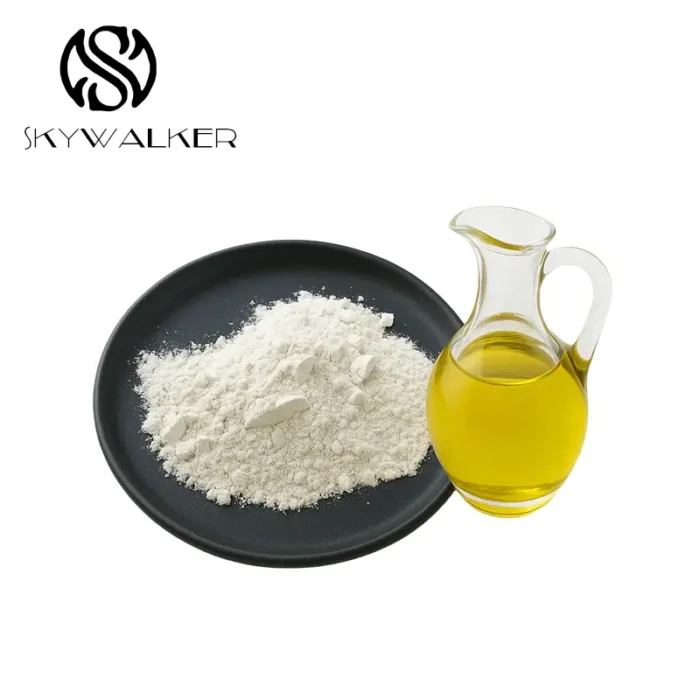
Grasping processed bleaching mineral obligates a deep study of its attributes. This exceptional element is widely engaged in the filtration of petroleum products, skillfully eradicating contaminants. The refinement strategy typically involves chemical treatment, boosting its retentive efficiency to capture colored substances. Eventually, this summary will uncover the science behind activated bleaching earth and its utilizations.
De-colorizing Aggregate Providers: Obtaining the Correct Supplier
Acquiring a credible partner of activated clay is important for many fields, particularly those involved in chemical purification. Determining the correct supplier requires careful consideration beyond just cost. Assess their history in adsorbent provision, their monitoring procedures, and their readiness to consistently address your order needs. A credible bleaching earth distributor will also offer help and a spectrum of qualities to match your specialized application.
This Theory Behind Refined Purifying Clay
Activated bleaching soil, a cornerstone among the refining practice for edible oils, functions through a fascinating composition of material and chemical dynamics. Initially, naturally occurring bleaching clay is activated – a method involving heat and materials – to drastically increase its surface reach. This expanded surface grants an immense number of spots for the specific adsorption of color pigments, contaminants, and undesirable odor compounds. The mechanism is primarily weak bonding, where molecules are held by weak van der Waals contacts, though some covalent adsorption can also take place with certain components. This results to a significant minimization of color and improvement of the oil's condition and bouquet.
Refining Element - Traits and Functions
Bleaching soil, frequently named kaolin, contains unique attributes that make it notably advantageous across a scope of fields. Its dominant attribute is its striking whiteness, resulting from its reduced inclusion quantity. This quality permits it suitable for utilizations needing a vivid aesthetic. Supplementary to its shade, detoxifying substance is predominantly delicate and achieves superior ductility, facilitating it to be quickly formed. Usual uses contain paper generation, compound fortification, drug preparations, aesthetic wares, and as an desiccant medium in several production mechanisms. Additionally, it finds use in porcelain and dye markets.
Identifying the Ideal Refined Lightening Soil for The Purposes
Electing the correct refining material can be a advanced activity, as various applications call edible oil bleaching clay for specialized properties. Weigh the type of product you’re handling; some compounds are improved for vegetable oils, while different kinds are oriented towards zoic fats. Components like void volume and bleaching power highly influence functionality.
- Gauge the complexion and bouquet power of the element to recognize the required level of decolorization.
- Examine the fineness; more finely divided particles generally deliver enhanced surface area, but may lead to screening challenges.
- Comprehend the liquid amount as it modifies the mineral’s refining strength.
De-colorizing Earth: Formation Approaches and Supervision
The formation of bleaching earth, a widely utilized material for oil refining and chemical purification, involves several key procedures. Initially, bentonite is obtained and then subjected to alteration via heat influence and/or chemical transformation. This process enhances the adsorptive properties of the mineral. Subsequently, rigorous value screenings are implemented, consisting of quantifications of aggregate size orientation, fatty substance adsorption capability, and dampness percentage. Cutting-edge analytical approaches, such as BET analysis and formal assessment, are employed to assure a stable product that matches stringent criteria.
Sustainable Sourcing of Improved Bleaching Clay
The expanding demand for activated bleaching earth presents a major challenge regarding its production and environmental result. Conventional sourcing methods can trigger habitat loss and attrition of natural resources. Consequently, a change towards sustainable sourcing is paramount. This involves promoting practices like replanting of mined areas, recycling waste byproducts from other industries for generation, and partnering with domestic communities to guarantee ethical and moral mining operations. Furthermore, confirmation schemes and rigorous evaluation processes are obligatory to validate that the mineral is procured in a truly responsible manner. Considerations should also include curbing current consumption during refining and aqueous medium usage.
- Reforestation efforts
- Reusing waste materials
- Assisting local communities
- Certification schemes
Purifying Mineral Supplier Guide: Principal Businesses Listed
Discovering a reputable clay supplier can be a obstacle, but our comprehensive registry aims to simplify the process. We’ve diligently collected data and graded leading suppliers in the bleaching earth sector. This directory highlights important producers known for their merit and backing, allowing purchasers to identify the top source for their specialized needs. Various factors, including production capacity, selection, and ratings, were analyzed in determining these greatest orders.
Perceiving Activated Bleaching Earth Performance Metrics
To effectively evaluate the efficiency of activated bleaching earth, it’s essential to recognize key functional metrics. These criteria often include color rating, typically measured using a gauge, which expresses the earth’s ability to extract color from oils. What’s more, acid degree is vital, as it modifies the bleaching process; a higher intensity usually adheres with improved detoxification capabilities. Finally, sorptive area, often examined via BET analysis, noticeably impacts the earth’s capacity to collect colorants, ultimately influencing its overall bleaching function.