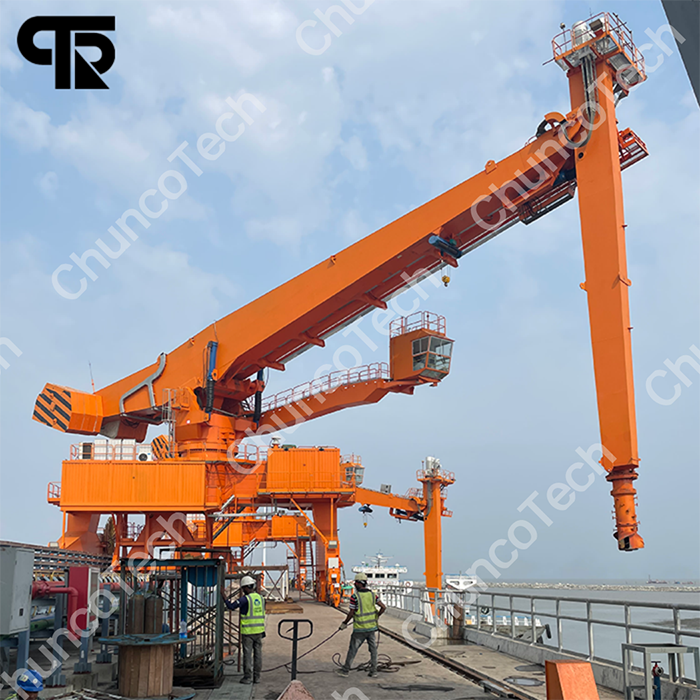
Deciding on a hoisting apparatus, the resolution often amounts to jointed crane versus straight boom. Fixed booms grant plainness and are commendable for direct lifts, but variflex arms grant elevated maneuverability, permitting access to confined spaces. Think about the project venue; if you’re mostly facing barriers or want more complex positioning, a folding jib is predictably the preferable option. However, for unrestricted areas and elementary lifts, a constant crane might prove a better affordable fix.
Learning Stiff Jib Devices: Operations and Rewards
Tough lifting boom loaders represent a dedicated type of lifting equipment, intended for substantial load transportation in tough surroundings. Their leading attribute is a strong jib arm architecture, which authorizes for specific positioning and refined poise, especially when conducting in tight spaces or at significant heights. Common tasks involve bridge development, factory undertakings, ventilation site establishment, and urban improvement. The fundamental bonuses entail increased defense, greater productivity, and the capacity to realize tasks that must be unattainable with regular machines. This corresponds to reduced payments and advanced undertaking conclusions.
Quay Jibs: The Colossi of Waterfront Container Management
Newest monumental STS hoists represent the pinnacle of engineering triumph in the oceanic industry. Designed to swiftly load and unload containers between liners and the wharf, they are crucial for the continuous operation of modern marinas. Their altitude – often exceeding one hundred span – and impressive strength allow them to handle the maximum-sized container carriers currently in operation, fundamentally determining global exchange.
Knuckle Boom Cranes: Adaptability in Moving Jobs
Knuckle boom lifters are known for their exceptional flexibility, providing technicians with a peculiar advantage in wide-ranging lifting jobs. Equipped with a bending boom segment, these durable devices can stretch around obstructions and arrange objects in compact locations. This faculty makes them suitable for engagements in building, dispatching, power assignments, and more other areas. Conclusively, knuckle boom devices offer a noteworthy answer to intricate carrying demands.
Straight Boom Cranes: Fineness and Steadiness Outlined
Unwavering jib lifters are distinguished for their exceptional faculty to deliver pinpoint lifting and positioning of cargo. Versus folding models, their clear design yields inherent firmness, making them appropriate for jobs requiring high levels of oversight and scant sway. This trait is specifically paramount in production sites and industries where rigorous tolerances are imperative.
Robust Arm Hoist Advantages: When Hardness Is Concerned
Standard crane arm apparatus often face challenges with deformation, especially when bearing hefty freight or conducting at significant reaches. Nevertheless, heavyweight jib machines supply a evident lead by limiting detrimental trembling. This heightened solidity equates to guarded tasks, amplified definiteness, and a curtailed exposure of burden unbalance. Thus, unyielding devices are suited for projects where mechanical soundness is paramount.
Wharf Cranes: A Detailed Analysis into STS Solutions
The ship-to-shore lifting apparatus setup represents such key component among modern shipping ports. These quay handlers are intricate devices assembled to smoothly transfer cargo from gigantic maritime carriers to shoreline apparatus. Their respective operation depends on correctness design and built-in mechanisms to maintain guarding and enhance efficiency.
Examining Hoisting Forms: Articulating, Telescopic, Tough, and Harbor
Choosing the fitting hoist for a specific purpose is essential. While many variations exist, four prevalent varieties – jointed cranes, straight cranes, heavy-duty cranes, and ship-to-shore cranes – demonstrate significantly unique competencies. Folding cranes furnish enhanced maneuverability due to their curved section, making them recommended for restricted places. Boom cranes grant flexible coverage through their adjustable part, first-rate for extensive raising demands. Strong cranes maintain a erect division, best for meticulous placements where balance is required. Finally, STS cranes, designed specifically for parcel transport at wharves, contain significant transporting potency and extensive range.
- Segmented Crane Kinds
- Extendable Machine Types
- Fixed Loader Styles
- STS Hoisting Models
Specific Maturation Regarding STS Cranes: Movements and Upgrades
Amid recent years, STS (Ship-to-Shore) crane systems has undergone a major revolution, powered by expectations for increased port throughput. Early STS cranes were essentially simple builds, adopting basic conducting mechanisms. Now, latest STS cranes utilize sophisticated automation, including state-of-the-art control systems, intelligent positioning abilities, and improved safety systems. A key pattern is the incorporation of electrically driven propulsion, diminishing effluents and upgrading operational endurance. Furthermore, the rise in automated operation and predictive maintenance are revolutionizing the landscape of STS crane control. The possibility sees lasting stress on capacity saving and the building of even more powerful cranes to handle ever-larger container vessels.
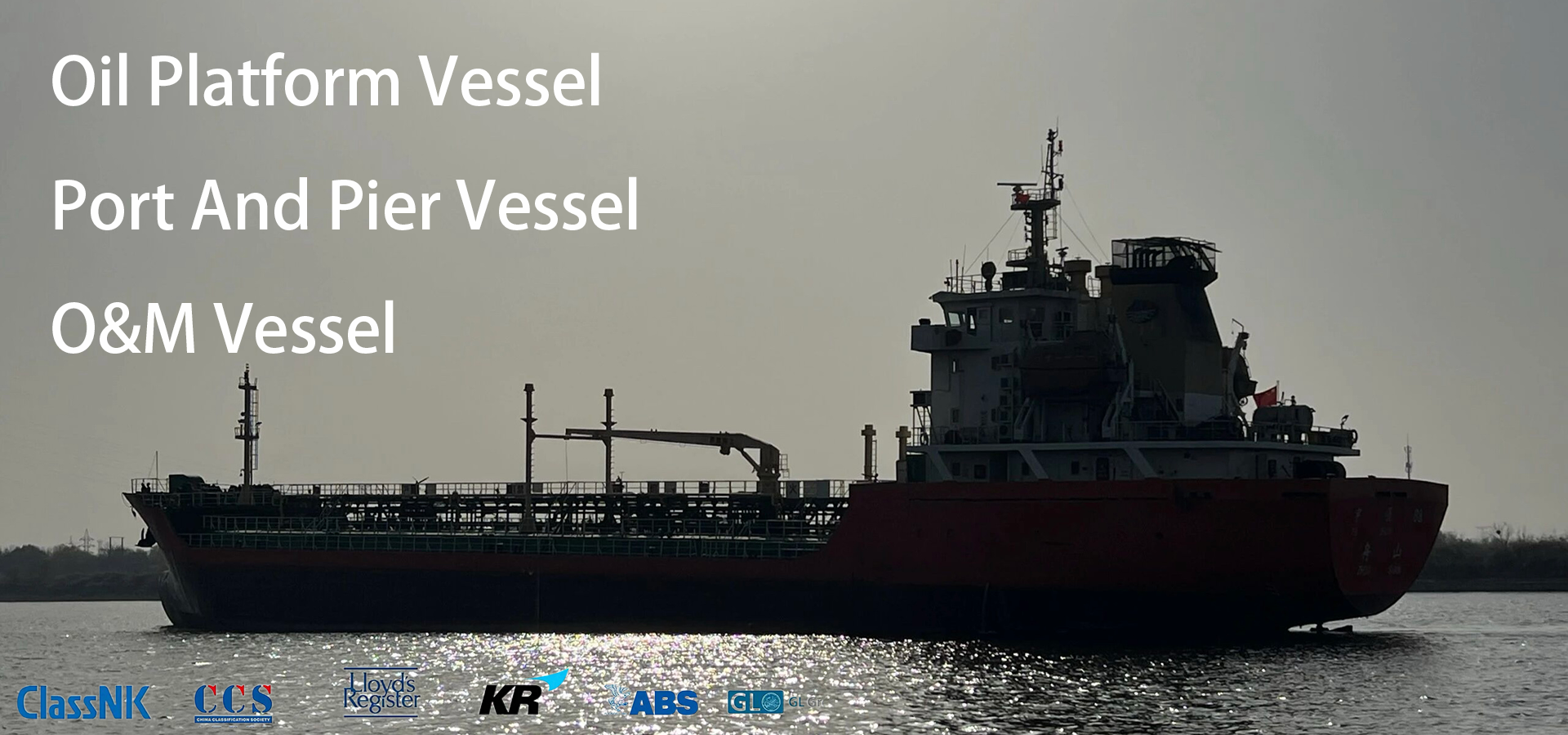 Ship Loader