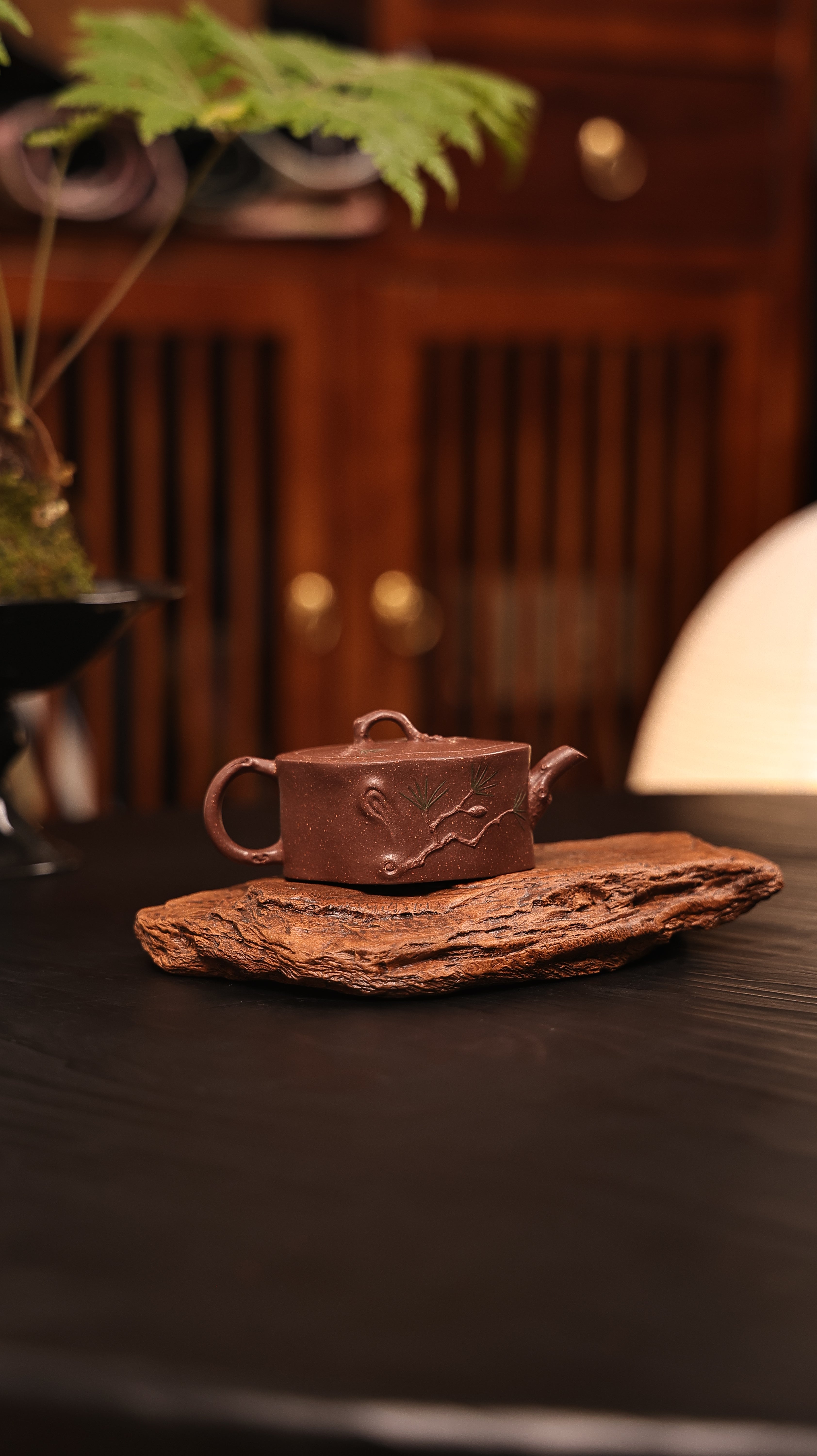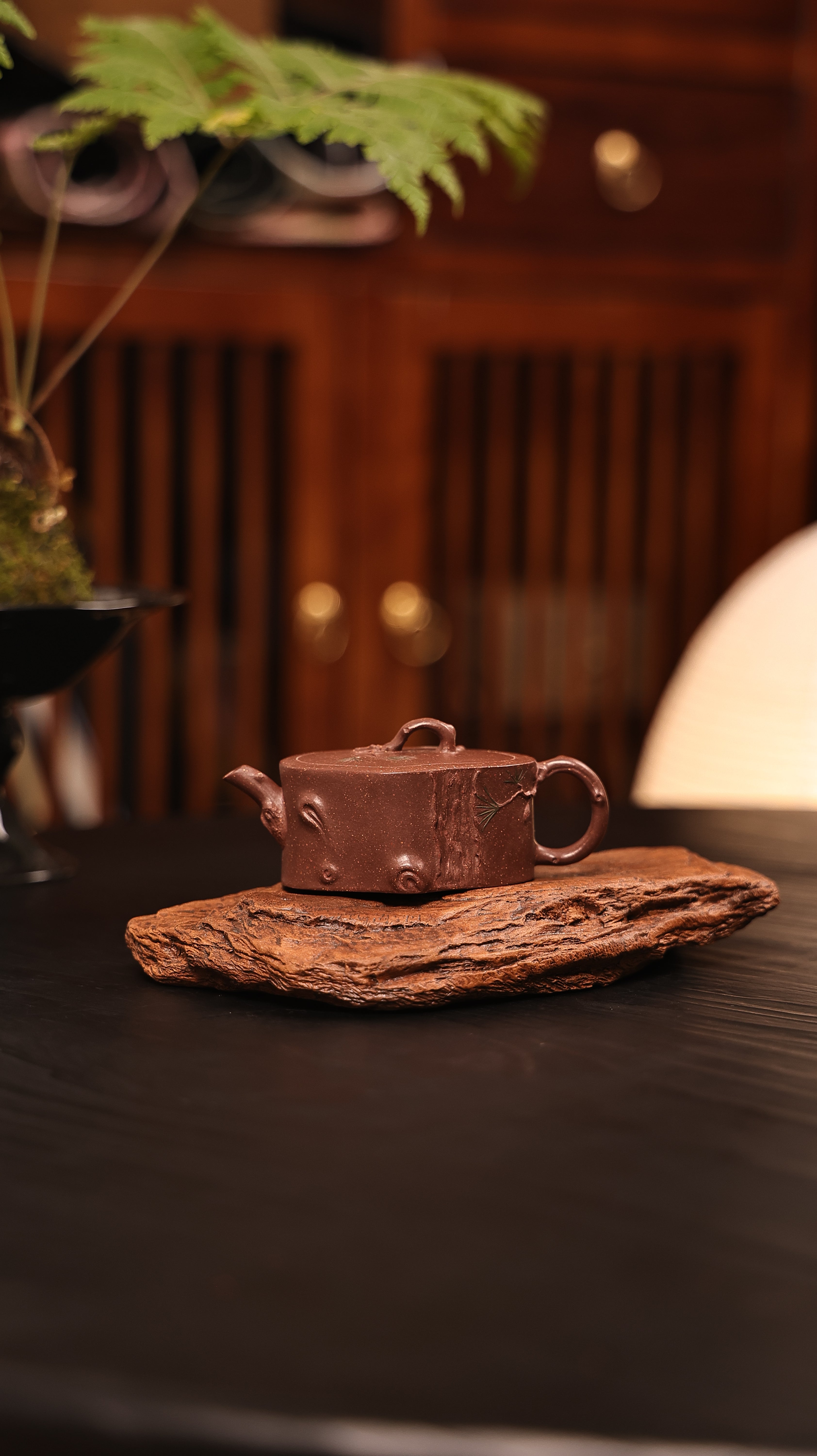
Beginning this extensive review touching on Ihsing Tz'u Sha ceramic kettles introduces special enchanting blend of artistry plus practicality.
Ihsing Zi Sha ceramic vessels enjoy one unique charm among collectors around the planet. Particular exceptional porcelain containers, coming from the exclusive Eysing zone of Jiangsu province, China, embody more than just steeping vessels; they are esteemed as works creative beauty and heritage significance. Such finely graded clay, known recognized as Zisha, imparts a gentle flavor through the tea, and the detailed designs, often embodying traditional Chinese artistry, improve their natural value. Owning a genuine Yixing Zisha teapot can be a worthwhile journey, calling for careful examination and an understanding of the countless factors influencing its scarcity.
Uncovering Yixing Pottery
Ihsing teapots boast a vibrant heritage deeply interwoven with Chinese culture. Originating in Yixing, Jiangsu locality, these earthenware are crafted from a unique, porous purple clay found only in that special location. Their creation began during the Ming session, with master makers refining the methods over eras. Several types prevail, including the classic Hexiang (resembling crab shells), Zhuni (red-brown Yixing Teapot hue), and Duan Ni (stone-studded) – each with distinctive aspects. The worth of an Yixing earthenware pot isn't solely based on its size or embellishment, but also on the craftsperson’s reputation, the terracotta's quality, and the pot’s age and condition. Gatherers often seek out older examples, believing they enhance the savor of the infusion brewed within them over time, further adding to their renown.- Classic Brewing Vessels
- Earth-Toned Brewing Vessels
- Pebble-Embedded Tea Containers
Zisha Teapot Mastery: Skill & Styles
A assembly of Zisha teapots represents a peak of Chinese ceramic ability. Skilled artisans employ historic techniques, often passed down through heritage, to unlock the full character of this unique clay. Systems involve meticulous molding by hand, often combined with the wrapping method, followed by precise firing at incredibly extreme temperatures in wood-fired kilns. Detailing is equally crucial; potters utilize native clay colors and may incorporate embossing work to depict intricate scenes or patterns, demonstrating a profound knowledge of the material’s aspects and manifestation. The final teapot isn't merely a vessel for tea, but a testament to a profound cultural background.
Chinese Ceramics: Unique Presentation to 宜兴 Tzu Sha
Probing the world of Chinese teapots sometimes commences with Yixing Zisha. These particular clay pottery vessels are made from a singular type of clay extracted only in the Yixing region of the Jiangsu zone province. Known for its characteristic reddish-purple hue and fine features, Zisha clay transfers a light flavor to the liquid and develops with age, transforming a cherished keepsake. Gathering Yixing Zisha pottery is more than just keeping a elegant object; it’s a tribute of tradition and craftsmanship.
Considering such Clay Pottery: Validity & Enhancement
Investigating the sphere of Yixing Zisha containers can be highly worthwhile, but involves a careful cognition. Validity is indispensable; multiple counterfeits are available, commonly expertly manufactured. Training about time-honored curing systems, characteristic earth qualities, and the markings of acclaimed fabricators is entirely fundamental. Additionally, grasping the subtleties of the appreciation development – influenced by circumstances such as traditional meaning and the condition of the componentry – is decisive to effective collection.
- Researching roasting heritage.
- Engaging experts for substantiation.
- Evaluating sales dynamics.
Unique Discipline of Making with a Stoneware Container
A unique allure of a Zisha apparatus lies not just in its lovely appearance, but also in its significant impact on the character of the brew. These ancient clay brewing pots, sourced from unique regions of China, possess a natural porosity that delicately interacts with the solution and leaves, imbuing the tea with a light character. Mastering the technique requires a diligent approach, understanding how the ceramic responds to assorted thermal conditions and leaf types, ultimately leading to a indeed rewarding brewing encounter.
Protecting Own Heirloom
Proper management of your Yixing urn is fundamental to sustaining its lastingness. These exceptional teapots, crafted from exclusive Yixing clay, form a finish over decades that magnifies their worth. Systematically rinse the inside with pure water, avoiding soap, and never use coarse scrubbing tools. Supplementary gentle polishing with a smooth cloth can help in taking off patches. Allow your vessel to totally dry before each serving
Unveiling Zisha: Reasons Particular Kettles Stand for Exclusive
The renowned appeal of Yixing teapots derives from the exclusive properties of Zisha clay, mined solely near Yixing, Jiangsu. This distinct clay, composed of ferruginous soil , boasts a peculiar combination of elements that, through experience, retain the note of the brews it retains. This brings about a distinctive bouquet for each kettle, giving it a rate far transcending its baseline price and assisting to their sought-after status among tea enthusiasts.
Identifying the Right Traditional Carafe: A Pottery Explanation
Venturing into the world of Purple clay teapots can feel overwhelming, but understanding the fundamentals is vital to finding a beloved piece. Those clay, sourced chiefly from the Yixing zone, the Jiangsu zone, is acclaimed for its characteristic quality and ability to adapt the savor of the liquor over long haul. Assess the silhouette, the brightness, and the style; a legitimate Zisha teapot is more than just a urn; it's a decorative object and a signifier of eastern culture. Inspect the signature of the maker for clues to its provenance and potential value.