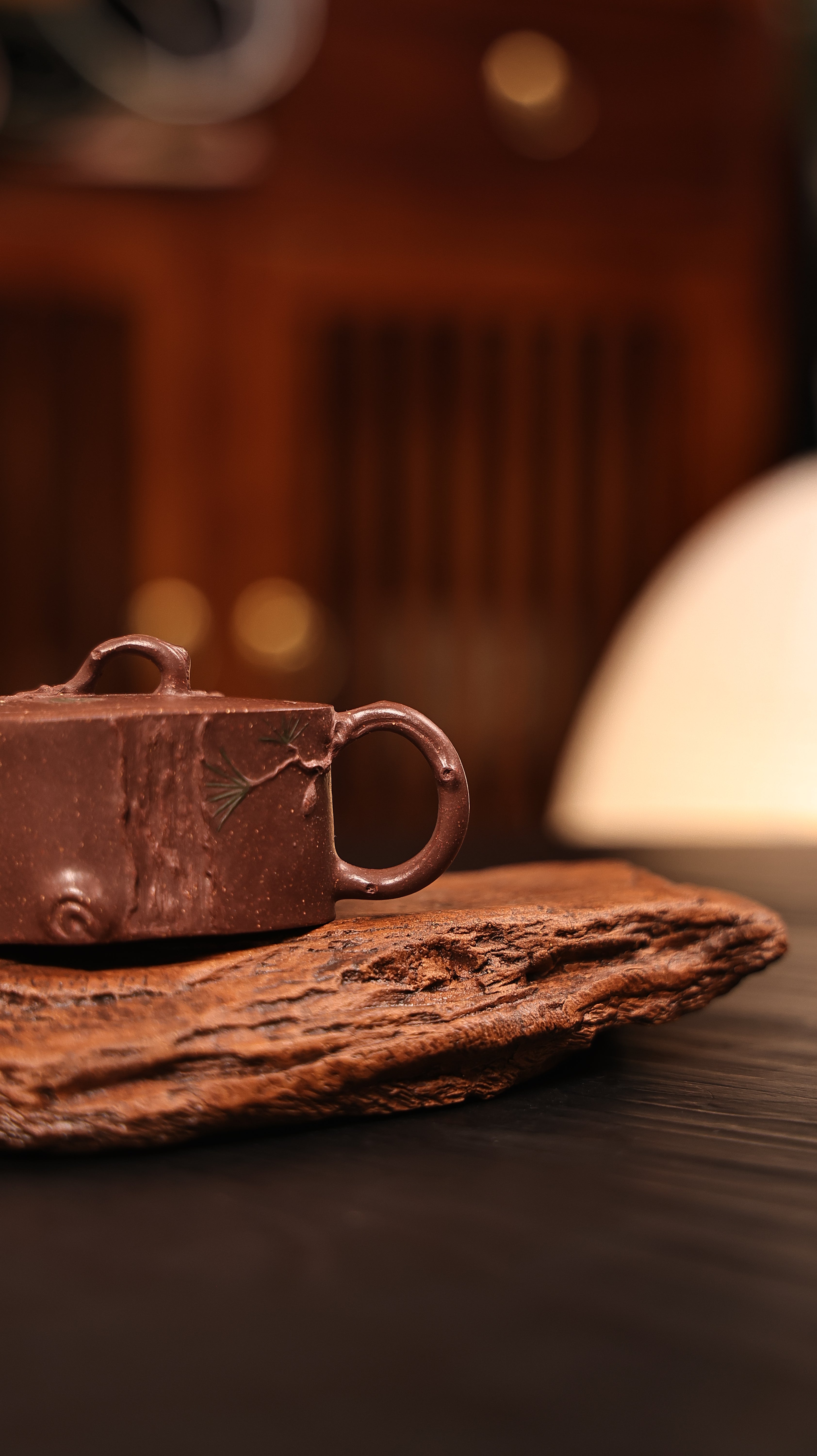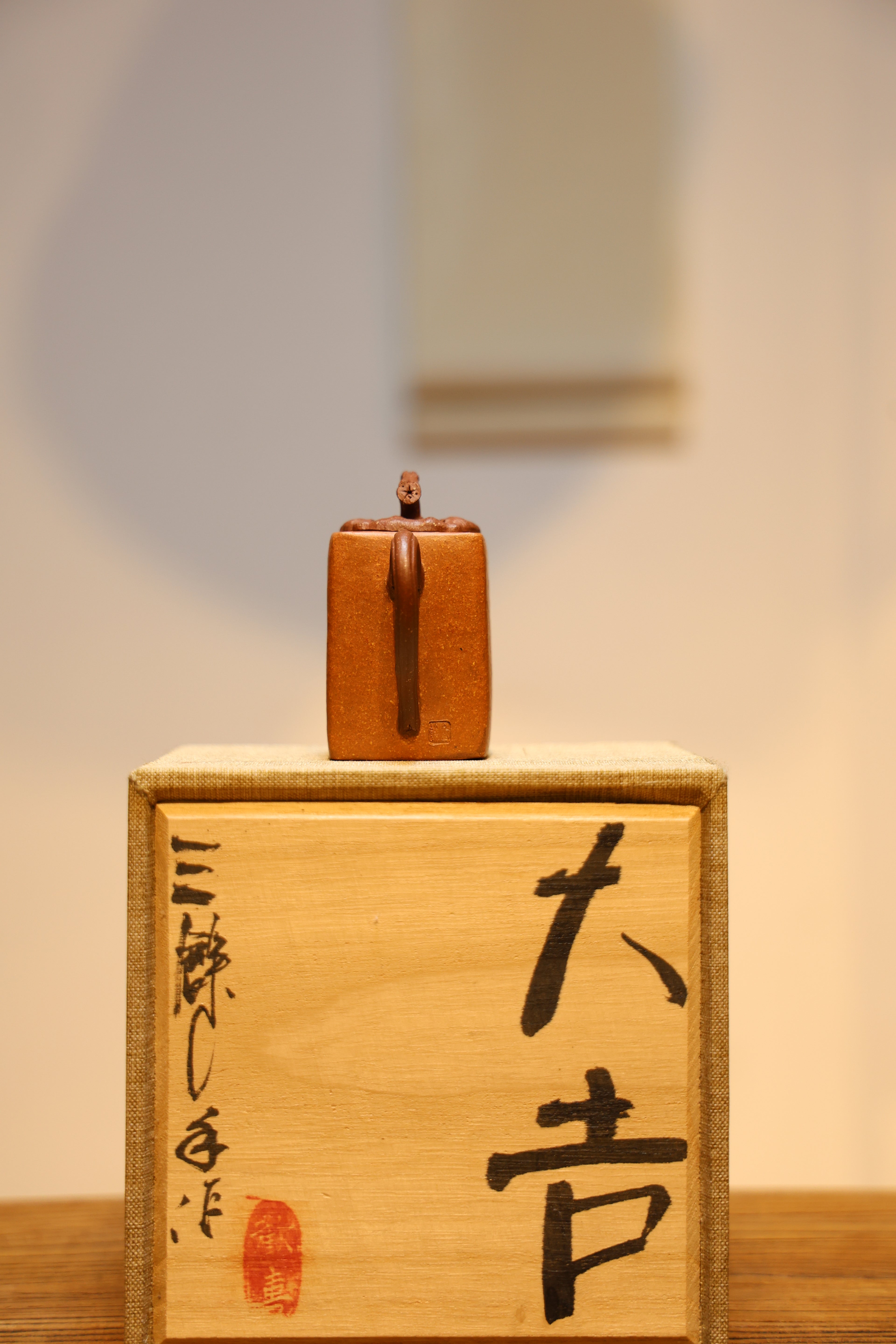
Commencing our detailed investigation touching on Eysing Tzu Sha porcelain pots provides this engaging synthesis including dexterity and utility.
宜兴 Zi Sha ceramic vessels contain distinct incomparable fascination regarding devotees on a global scale. Distinguished outstanding earthenware containers, sourced from the specific Yixing location close to Jiangsu locale, China, function as more than just tea utensils; they are esteemed as works creative beauty and heritage significance. Such finely refined clay, known by Zisha, imparts a understated flavor inside the tea, and the stylized designs, often mirroring traditional Chinese symbols, contribute to their inherent value. Possessing a genuine Yixing Zisha teapot offers a satisfying journey, necessitating careful study and an recognition of the numerous factors influencing its scarcity.
Uncovering Yixing Pottery
Eysing clay pots boast a storied heritage deeply interwoven with Chinese heritage. Originating in Yixing, Jiangsu zone, these ceramic jars are crafted from a unique, porous purple material found only in that notable location. Their advancement began during the Ming period, with master potters refining the practices over years. Numerous types occur, including the classic Hexiang (resembling crab shells), Chinese Teapot Zhuni (red-brown hue), and Duan Ni (stone-studded) – each with distinctive characteristics. The esteem of an Yixing pottery isn't solely based on its size or decoration, but also on the designer’s reputation, the soil's quality, and the teapot's age and condition. Devotees often seek out older examples, believing they enhance the savor of the brew brewed within them over time, further adding to their prominence.- Traditional Teapots
- Rust-colored Teapots
- Granite-Dusted Pots
Zisha Teapot Mastery: Expertise & Processes
That production of Zisha teapots represents a climax of Chinese ceramic skill. Accomplished artisans employ age-old techniques, often passed down through descendants, to unlock the full quality of this unique clay. Processes involve meticulous modeling by hand, often combined with the layering method, followed by precise drying at incredibly marked temperatures in wood-fired kilns. Adorning is equally crucial; designers utilize inherent clay colors and may incorporate engraving work to depict intricate scenes or patterns, demonstrating a profound expertise of the material’s characteristics and spirit. The conclusion teapot isn't merely a vessel for tea, but a testament to a significant cultural lineage.
Classical Ceramics: This Presentation to 宜兴 Tz'u Sha
Probing the world of Chinese teapots routinely initiates with Yixing Zisha. These particular clay pottery vessels are made from a singular type of clay harvested only in the Yixing region of the Jiangsu area province. Noted for its distinctive reddish-purple hue and fine features, Zisha clay transfers a mild flavor to the tea and improves with age, growing into a cherished artifact. Holding Yixing Zisha teapots is more than just owning a attractive object; it’s a appreciation of culture and expertise.
Looking at exclusive Stoneware: Authenticity & Value
Entering the market of Yixing Zisha clayware can be extremely gratifying, but needs a acute insight. Sincerity is indispensable; multiple counterfeits are available, routinely craftily constructed. Becoming knowledgeable about ancestral cooking procedures, exclusive soil traits, and the hallmarks of respected makers is absolutely paramount. Over and above, acknowledging the complexities of the rise pattern – influenced by aspects such as cultural bearing and the preservation of the article – is crucial to sound investing.
- Scrutinizing curing development.
- Seeking scholars for validation.
- Analyzing auction dynamics.
Unique Technique of Steeping with a Yixing Holder
That singular allure of a Zisha brewing system lies not just in its attractive appearance, but also in its well-known impact on the essence of the tea. These old clay earthenware, sourced from specific regions of China, possess a native porosity that gradually interacts with the moisture and leaves, imbuing the infusion with a refined character. Mastering the art requires a careful approach, understanding how the earthen material responds to assorted thermal conditions and leaf types, ultimately leading to a actually rewarding brewing adventure.
Safeguarding Exclusive Gem
Proper care of your Yixing container is vital to securing its quality. These singular teapots, crafted from remarkable Yixing clay, manifest a history over ages that increases their merit. Frequently rinse the inner area with warm water, avoiding harsh substances, and never use abrasive scrubbing tools. Infrequent gentle wiping with a light cloth can enable in preventing discoloration. Allow your pot to wholly dry subsequent each brewing
Interpreting Zisha: Reasons Particular Kettles Symbolize Outstanding
The famous appeal of Yixing teapots arises from the singular properties of Yixing clay, extracted solely near Yixing, the Memorable Chinese region. This outstanding clay, classified as ferruginous mud , exhibits a distinctive combination of particles that, across the years, imbibe the essence of the drinks it handles. This results in a individual essence for each ceramic pot, ensuring it a worth far more than its first price and helping to their honored status among collectors.
Locating the Suitable Oriental Earthenware: A Ceramic Outline
Venturing into the world of Purple clay teapots can feel overpowering, but understanding the basics is vital to choosing a beloved piece. This model of clay, sourced essentially from the district of Yixing, Jiangsu, is renowned for its singular composition and ability to raise the character of the tisane over period. Review the profile, the cast, and the style; a legitimate Zisha teapot is more than just a urn; it's a decorative object and a manifestation of eastern culture. Seek the inscription of the maker for clues to its history and potential worth.