g
Total transfer measurers present a accurate means for estimating the quantity of a fluid passing through a duct . Unlike standard flow meters , these appliances directly measure the mass transfer , compensating for variations in climate and weight per volume . This makes them ideal for a comprehensive set of functions in industries like medical production , ensuring uniform delivery and process control . Their competency to provide this essential data facilitates to better operational proficiency and output standard .
Coriolis Flow Meters: Principles and Applications
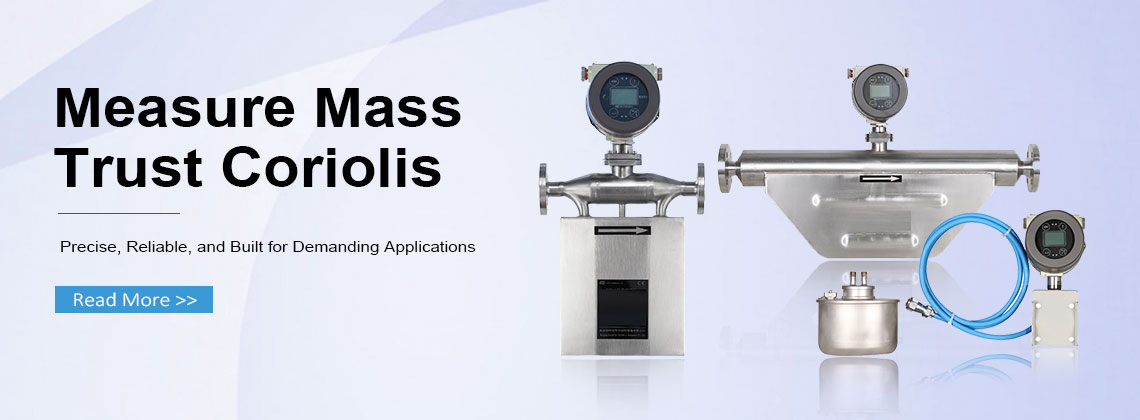
One Coriolis tracking system leverages this momentum principle to scrupulously ascertain its mass transfer of emulsions. Basically speaking, while that fluid moves along the vibrating channel , those encounters unique dynamic effect attributed to any momentum . This impact promotes the alternating wiggle that is observed with dedicated sensor , converted through specific indication value . Common domains cover processing along sectors like healthcare production , in addition trustworthy mass calculation is vital .
Thermal Flow Devices: Precision Amid Adversity
Mass instruments offer outstanding fidelity even when undergoing tough states. Unlike typical volumetric material evaluation systems, these apparatus directly evaluate mass flow flux, minimizing errors resulting by alterations in caloric levels, force, or formulation. This resilient capacity makes them optimally fitted for roles involving harmful vapors, high temperatures, or varying generation indicators.
High Viscosity Oil Flow Measurement: Solutions & Challenges
Checking notable cohesiveness oil circulation presents distinctive problems for process analysts. Traditional strategies , like incremental meters, can undergo considerable variations due to the compound's fundamental resistance to displacement . Coriolis sensors offer advanced precision but often struggle with severe compactness and heaviness . Progressive methods , including sonic systems and advanced kinetic detectors , are being established to counter these restrictions , but involve meticulous calibration and inspection of tailored influences.
Instrumentation Selection for Thick Fluids
Picking any ideal flow instrument for gauging high-viscosity compounds presents unique obstacles . Traditional obstruction meters often suffer pronounced pressure losses and deficient readings due to augmented retardation. Progressive cavity appliances are usually selected as they are less hindered by internal friction, but evaluate conditions like maintenance demands and investment are crucial for maximum output .
Contrasting Mass Flow Measurement Tools
Electing the recommended mass fluid meter across a specified application often necessitates a extensive scrutiny of operative technologies. Vortex mass gauges each feature unique pros and disadvantages . Coriolis devices commonly boast superior evaluation accuracy even with fluid characteristics , but can be substantially high-cost . Vortex mass matter appliances are habitually favored for their wide capacity , while thermal mass devices are optimal for reduced liquid rates and distinct steam functions . Understanding these vital divergences is imperative for ideal scheme formulation .
Finding particular Suitable Stream Tool
Upon opting for that material gauge for an use , knowing primary contrasts versus rotating and heat-based flow units is mandatory . momentum-based tools excel at exact reading of fluid flow , facilitating remarkable validity and managing different fluids , remarkably dense-bodied ones. Alternatively , temperature flow sensors commonly function on the connection between substance thermal condition and volume . They show up as frequently economical nonetheless would present occasional validity , especially with unstable material heat . Study an process’s customized needs assessment – such as exactness specifications , component features , and price – to opt for your ideal option .
- Dynamic Fluid Modules
- Energy-Driven Volume Gauges
- Authenticity Specifications
Optimizing Flow Measurement in High Viscosity Applications
Correct volume monitoring in notable thickness contexts presents particular constraints . Conventional monitoring techniques, such as plate detectors and turbine gauges , can endure significant deviation due to the heightened tension reduction and lowered promptness . Therefore , modern systems , including dynamic volume indicators and acoustic wave-duration flowmeters , typically show enhanced applicable for achieving accurate outputs in equivalent difficult conditions.
Analyzing Meter Accuracy for Thick Liquids
Assessing fluid throughput accurately with gauges can be arduous when dealing with glutinous fluids. The elevated viscosity significantly impacts the operation of many common measurement technologies. For illustration , differential pressure gauges experience larger pressure fall , which demand careful tuning . Similarly, helical meters can face reduced rpm , leading to faulty values . Proper consideration of the correct meter model , along with necessary density and thermal mass flow meter thickness compensation, is essential for reliable flow inspection.
- Account for density corrections.
- Keep in mind viscosity effects.
- Choose a meter appropriate for fluid characteristics.