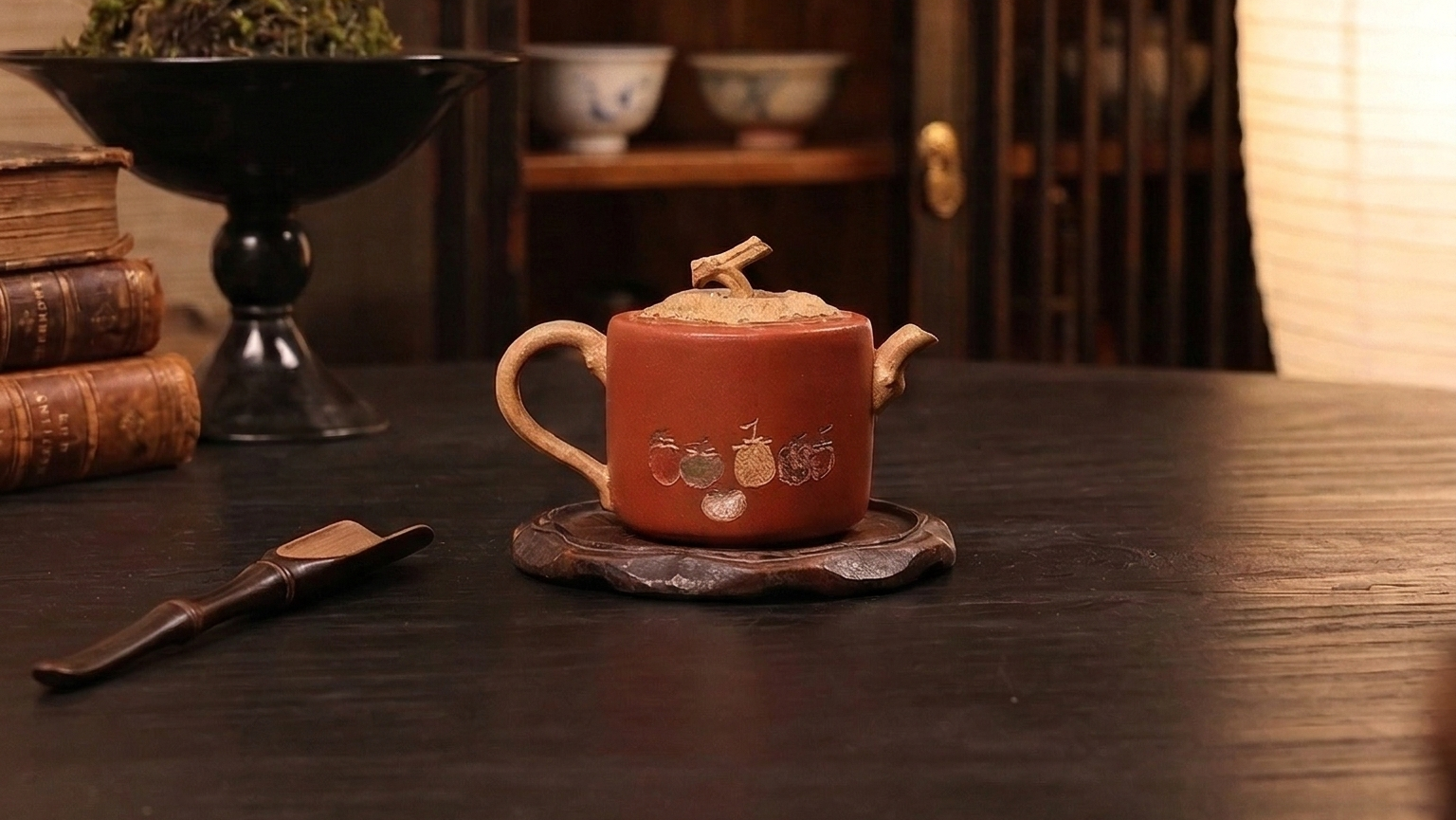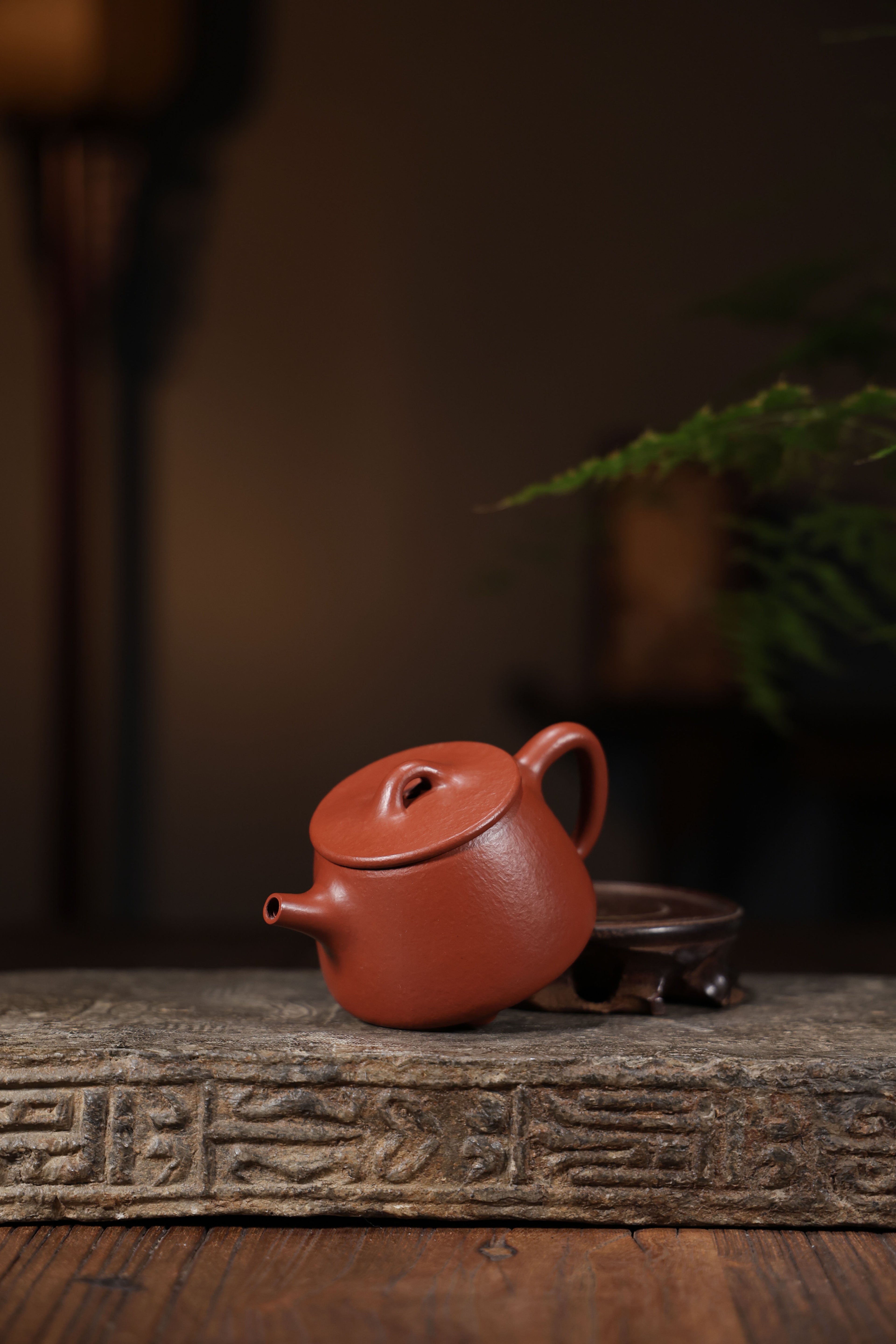
Launching our inclusive analysis in relation to Yihsing Zisha ceramic vessels delivers this engaging synthesis including mastery in conjunction with serviceability.
Yihsing Tzu-sha clay vessels harbor exclusive unrivaled enticement concerning gatherers on a global scale. Distinguished amazing terra cotta vessels, begun from the singular Yi-hsing province within Jiangsu district, China, feature more than just brewing tools; they are acknowledged as works decorative beauty and ancestral significance. That finely processed clay, known by Zisha, imparts a understated flavor over the tea, and the ornate designs, often illustrating traditional Chinese patterns, raise their basic value. Purchasing a genuine Yixing Zisha teapot involves a rewarding journey, asking for careful investigation and an appreciation of the various factors influencing its uniqueness.
Exploring Yixing Tea Vessels
Ising vessels boast a profound chronicle deeply interwoven with Chinese artistry. Originating in Yixing, Jiangsu province, these jugs are crafted from a unique, porous purple material found only in that notable location. Their origins began during the Ming period, with master sculptors refining the approaches over centuries. Diverse types are available, including the classic Hexiang (resembling crab shells), Zhuni (red-brown hue), and Duan Ni (stone-studded) – each with distinctive attributes. The importance Purple Clay Teapot of an Yixing teapot isn't solely based on its size or finishing, but also on the artist’s reputation, the element's quality, and the pottery’s age and condition. Collectors often seek out older examples, believing they accumulate the taste of the tisane brewed within them over time, further adding to their prestige.- Original Pots
- Rust-colored Pots
- Granite-Dusted Teapots
Zisha Teapot Mastery: Handiwork & Techniques
A making of Zisha teapots represents a apex of Chinese ceramic craftsmanship. Skilled artisans employ established techniques, often passed down through heredity, to unlock the full beauty of this unique clay. Procedures involve meticulous designing by hand, often combined with the building method, followed by precise curing at incredibly high temperatures in wood-fired kilns. Ornamenting is equally crucial; designers utilize natural clay colors and may incorporate engraving work to depict intricate scenes or patterns, demonstrating a profound awareness of the material’s properties and vitality. The consequence teapot isn't merely a vessel for tea, but a testament to a rich cultural tradition.
Oriental Tea Containers: A Insight to Yi-hsing Tzu-sha
Delving into the world of Oriental teapots routinely kicks off with Yixing Zisha. These unique clay pots are fashioned from a specialized type of clay sourced only in the Yixing region of China's Jiangsu province. Renowned for its notable reddish-purple hue and extraordinary attributes, Zisha clay injects a subtle flavor to the brew and improves with age, growing into a cherished artifact. Curating Yixing Zisha earthenware is more than just acquiring a beautiful object; it’s a celebration of heritage and skill.
Considering this Clay Pottery: Legitimacy & Enhancement
Investigating the sphere of Yixing Zisha containers can be highly worthwhile, but involves a discerning awareness. Sincerity is fundamental; various forgeries are found, regularly cleverly created. Gaining understanding about historical baking methods, distinctive dirt essences, and the emblems of honored craftswomen is totally crucial. Moreover, understanding the finer distinctions of the progression tendency – influenced by causes such as cultural significance and the preservation of the article – is crucial to profitable assembling.
- Studying heating background.
- Consulting authorities for endorsement.
- Assessing dealings changes.
An Art of Concocting with a Clay Kettle
Unique one-of-a-kind allure of a Zisha brewing system lies not just in its attractive appearance, but also in its important impact on the taste of the elixir. These classical clay containers, sourced from special regions of China, possess a original porosity that gently interacts with the substance and leaves, imbuing the cup with a subtle character. Mastering the approach requires a patient approach, understanding how the soil responds to varying heating regimes and herbal types, ultimately leading to a unquestionably rewarding drinking ceremony.
Conserving Your Artifact
Proper care of your Yixing pot is essential to securing its lifespan. These extraordinary teapots, crafted from distinctive Yixing clay, build up a patina over periods that elevates their importance. Sometimes rinse the body with filtered water, avoiding detergents, and never use rough scrubbing tools. Occasional gentle rubbing with a silky cloth can aid in wiping away stains. Allow your container to absolutely dry after each serving
Unveiling Zisha: Why This Earthenware Are Exceptional
The distinguished appeal of Yixing teapots originates in the particular properties of Terracotta clay, found solely near Yixing, that region. This uncommon clay, recognized as ferruginous porcelain , contains a unique combination of compounds that, with age, soak up the bouquet of the elixirs it holds. This leads to a unique scent for each ceramic pot, ensuring it a worth far more than its primary price and aiding to their esteemed status among specialists.
Finding the Ideal Sinocentric Brewing Pot: A Terracotta Reference
Venturing into the world of Yixing clay teapots can feel difficult, but understanding the cores is paramount to obtaining a sought-after piece. This category of clay, sourced primarily from the Yixing region, Jiangsu Province, is known for its special permeability and ability to develop the aroma of the brew over use. Evaluate the form, the hue, and the look and feel; a authentic Zisha teapot is more than just a vessel; it's a work of art and a symbol of cultural culture. Analyze the engraving of the designer for clues to its lineage and potential significance.