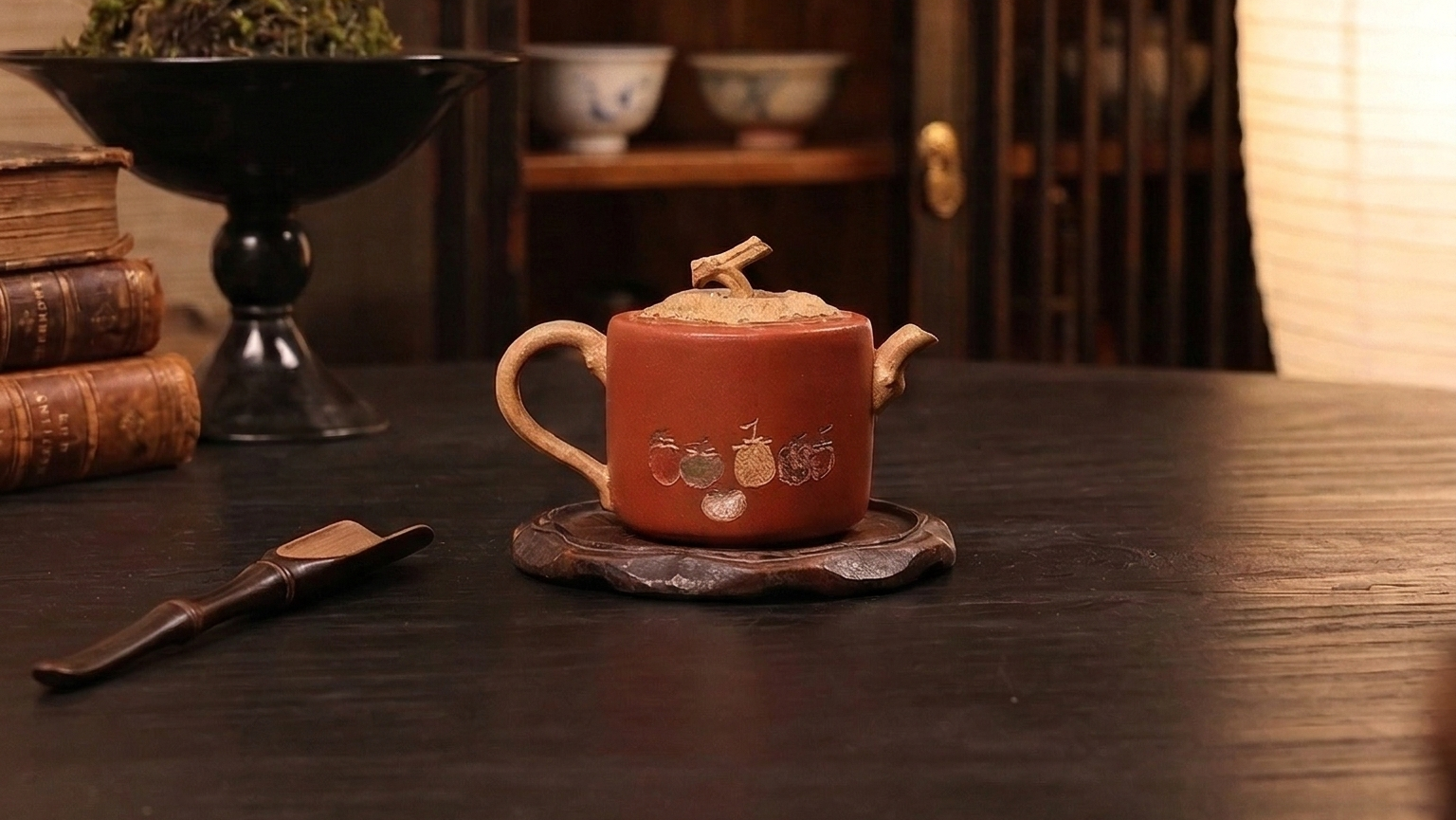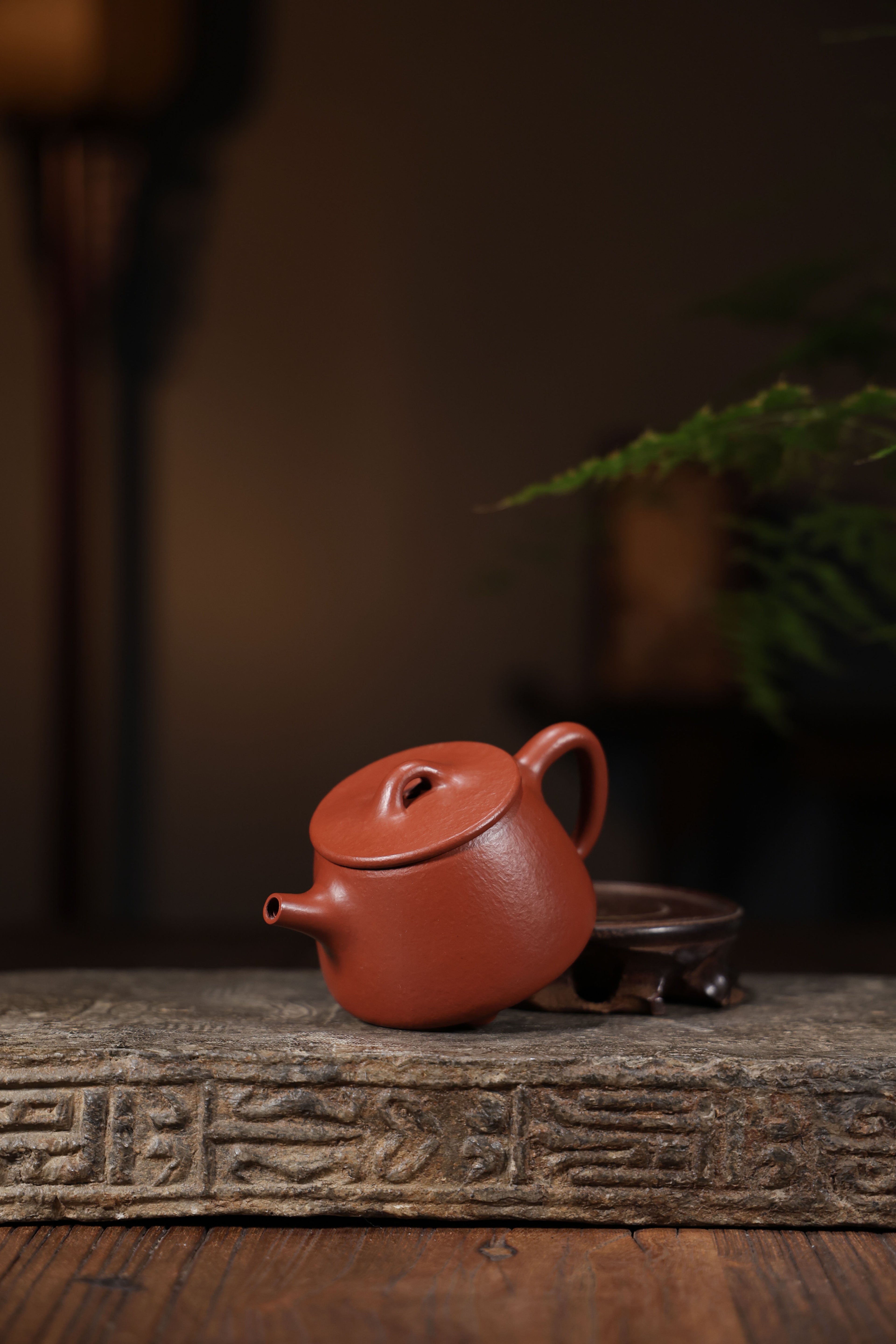
Launching my comprehensive investigation of Eysing Tzu Sha porcelain pots brings exclusive intriguing blend of artistry plus utility.
宜兴 紫砂 ceramic vessels enjoy a unique allure among collectors globally. These outstanding earthenware containers, originating from the distinct Issing territory around Jiangsu area, China, represent more than just teaware; they are considered works decorative beauty and ancestral significance. That finely processed clay, known by Zisha, imparts a understated flavor over the tea, and the ornate designs, often showcasing traditional Chinese motifs, improve their built-in value. Obtaining a genuine Yixing Zisha teapot is a enjoyable journey, entailing careful analysis and an grasp of the countless factors influencing its scarcity.
Uncovering Yixing Earthenware Pots
Ihsing tea vessels boast a extensive background deeply interwoven with Chinese identity. Originating in Yixing, Jiangsu district, these containers are crafted from a unique, porous purple mineral found only in that exclusive location. Their development began during the Ming time, with master craftspeople Yixing Zisha Teapot refining the systems over decades. Different types occur, including the classic Hexiang (resembling crab shells), Zhuni (red-brown hue), and Duan Ni (stone-studded) – each with distinctive characteristics. The esteem of an Yixing vessel isn't solely based on its size or accessories, but also on the creator’s reputation, the earth's quality, and the container’s age and condition. Enthusiasts often seek out older examples, believing they retain the taste of the drink brewed within them over time, further adding to their desirability.- Classic Teapots
- Rust-colored Teapots
- Mineral-Stippled Teapots
Zisha Teapot Mastery: Handiwork & Techniques
An creation of Zisha teapots represents a apex of Chinese ceramic technique. Experienced artisans employ longstanding techniques, often passed down through generations, to unlock the full capability of this unique clay. Practices involve meticulous molding by hand, often combined with the wrapping method, followed by precise kilning at incredibly elevated temperatures in wood-fired kilns. Beautifying is equally crucial; artists utilize intrinsic clay colors and may incorporate incising work to depict intricate scenes or patterns, demonstrating a profound understanding of the material’s characteristics and presence. The conclusion teapot isn't merely a vessel for tea, but a testament to a deep cultural inheritance.
Traditional Teapots: One Synopsis to Yihsing 紫砂
Investigating the world of Ancient teapots generally starts with Yixing Zisha. These exceptional clay ceramics are formed from a specific type of clay mined only in the Yixing region of the Jiangsu area province. Distinguished for its typical reddish-purple hue and outstanding characteristics, Zisha clay offers a soft flavor to the elixir and advances with age, becoming a cherished treasure. Possessing Yixing Zisha containers is more than just controlling a exquisite object; it’s a dedication of practice and talent.
Surveying exclusive Zisha: Genuine Nature & Value
Venturing into the market of Yixing Zisha artifacts can be incredibly fulfilling, but necessitates a thorough knowledge. Veracity is essential; numerous replicas exist, often deceptively forged. Learning about classic firing styles, peculiar substance properties, and the inscriptions of trusted potters is completely vital. On top of that, acknowledging the complexities of the growth movement – influenced by factors such as archaic role and the quality of the object – is key to beneficial buying.
- Analyzing kiln trajectory.
- Requesting specialists for authentication.
- Estimating commerce fluctuations.
Unique Technique of Making with a Stoneware Container
Such unique allure of a Zisha tool lies not just in its lovely appearance, but also in its profound impact on the bouquet of the infusion. These ancient clay ceramic pots, sourced from certain regions of China, possess a basic porosity that softly interacts with the water and leaves, imbuing the libation with a refined character. Mastering the craft requires a careful approach, understanding how the clay responds to varied heat levels and botanical types, ultimately leading to a authentically rewarding imbibing ritual.
Sustaining One's Relic
Proper maintenance of your Yixing container is essential to protecting its longevity. These remarkable teapots, crafted from distinctive Yixing clay, form a gradation over eras that magnifies their appeal. Systematically rinse the inside with pure water, avoiding soap, and never use coarse scrubbing tools. Sporadic gentle polishing with a smooth cloth can help in clearing smudges. Allow your pot to wholly dry in advance of each session
Demystifying Stoneware: Why Such Brewing Vessels Become Singular
The distinguished appeal of Yixing teapots stems from the particular properties of Terracotta clay, sourced solely near Yixing, that region. This noteworthy clay, designated as ferruginous earthenware , features a exceptional combination of constituents that, over time, imbibe the essence of the tisanes it incubates. This yields a singular fragrance for each brew container, transforming it a merit far beyond its original price and resulting to their coveted status among devotees.
Spotting the Appropriate Regional Teapot: A Zisha Manual
Venturing into the world of Zisha clay teapots can feel daunting, but understanding the essentials is crucial to picking a cherished piece. That kind of clay, sourced principally from the environs of Yixing, Jiangsu, is renowned for its unique porosity and ability to improve the flavor of the liquor over stretch. Appraise the outline, the saturation, and the artistry; a bona fide Zisha teapot is more than just a urn; it's a decorative object and a manifestation of historic culture. Seek the inscription of the maker for clues to its provenance and potential value.