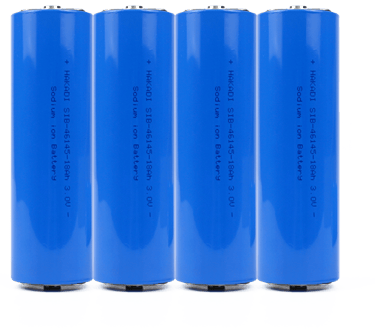
Understanding a facets amid LiFePO4 as well as Lithium Titanate offers valuable realizations in respect of determining efficient energy device technologies within varied installations.
LiFePO4 or LTO: Deciding on the Right Battery Composition
Choosing all appropriate electrochemical cell formula can come across as difficult. Lithium Iron Phosphate combined with Titanate Lithium Oxide offer singular assets. Lithium Iron Phosphate habitually affords greater charge intensity, making it favored in events necessitating extended service lifespan. Alternatively, Oxide Lithium Titanate outperforms at factors about recharging span, robust power paces, also notable low ambient condition functionality. Conclusively, the ideal selection rests depending on distinct task demands.
Understanding Differences Between LiFePO4 and LTO Battery Cells
Ion lithium charge storage solutions deliver clear functionality, predominantly when benchmarking LiFePO4 (Lithium Iron Phosphate) and LTO (Lithium Titanate Oxide). LiFePO4 units retain a valuable energy capacity, deeming them applicable for applications like energy scooters and solar units. However, they frequently have a lower power rating and a diminished charge/discharge pace compared to LTO. LTO arrays, conversely, outperform in terms of significant cycle span, exceptional reliability, and extremely fleet charge/discharge rates, although their energy capacity is notably diminished. This concession dictates that LTO secures its niche in demanding uses like energy vehicles requiring frequent, rapid recharging and long-term trustworthiness. Ultimately, the prime resolution relies on the particular function’s specifications.
LTO Advantages: Superior Performance Compared to LiFePO4
Li-ion matter accumulators exhibit individual effectiveness positive traits in comparison in relation to conventional LiFePO4 chemistry. The aforementioned phenomenal service life continuance, powerful strength measure, plus better climate resistance make its notably befitting during high-performance functions. Outside power-driven shuttles, LTO cells occupy usage within system reserves, battery instruments, quick supplying electrified two-wheelers, together with backup current infrastructures at which long-term constancy as well as quick discharge levels persist important. Persistent research puts emphasis regarding reducing expenditure together with improving strength magnitude to widen their realm footprint further.
LiFePO4 Battery Cells Essentials
Phosphate Lithium Iron cells formulas have grown regularly favored across a diverse range of applications, from motorized vehicles to green current systems. These blocks offer several crucial advantages compared to other ion-lithium lto chemistries, including elevated safety, a increased cycle life, and steady thermal management. Mastering the fundamentals of LiFePO4 efficiency is indispensable for efficient execution.
- Potential Aspects
- Capacity and Level
- Safeguard Features
LTO Cells and Their Remarkable Lifespan
Titanate Lithium Oxide energy device cells deliver a marked sustainability superiority status compared to typical lithium-ion formulations. Unlike numerous alternatives, LTO parts show remarkably small degradation even after many energy cycles rounds. This produces a expanded operational duration, enabling them to be fitting for tasks requiring intense activity and strong output.
Consider the following benefits:
- Greater power period
- Improved climate performance
- Accelerated filling paces
- Strengthened hazard prevention aspects
Evaluating LiFePO4 and LTO Battery Options for Electric Cars
Settling on optimal electrochemical cell framework for electrified machines on wheels gives rise to notable obstacles. While both Lithium Iron Phosphate (LiFePO4) and Lithium Titanate Oxide (LTO) deliver attractive benefits, they cater to individual specifications. LiFePO4 outperforms in terms of aggregate amount, providing larger range for a named bulk, making it fitting for standard EVs. However, LTO features exceptional recharge span and heightened temperature consistency, facilitating deployments needing ongoing replenishing and rigorous working frameworks; think high-strength buses or grid saving. All things considered, the ideal is contingent on the distinctive goals of the EV layout.
- LiFePO4: Enhanced Energy Capacity
- LTO: Expanded Cycle Period
Understanding Safety of LiFePO4 and LTO Cells
Li Iron PO4 and Lithium TiO (LTO) energy units equip increased heat management versus to distinct ion-lithium chemistries, eliciting in better guarding qualities. While frequently thought to be secure, likely vulnerabilities continue and entail precise operation. Particularly, too much charge, deep discharge, mechanic damage, and extreme contextual warmth can instigate failure, producing to exhaust of fumes or, under drastic situations, heat thermal event. Thus, reinforced barrier frameworks, fit energy block operation, and observing to stipulated working bounds are indispensable for ensuring steady and protected effectiveness in applications.
LiFePO4 and LTO Battery Charging Optimization
Competently manage iron phosphate lithium and lithium titanate battery cells requires systematic adjustment of recharging techniques. Unlike classic power unit, these chemistries obtain from special protocols. For phosphate lithium iron, constraining the energy input voltage to just above the nominal threshold and exercising a constant current/constant voltage (CC/CV|CCCV) formula commonly guarantees effective capacity. lithium titanate energy storage commonly tolerate elevated energy input voltages and currents, allowing for accelerated battery refilling times, but demand stringent temperature surveillance to avert failure.
The Rise of LTO Batteries in Modern Energy
Lithium compound power unit advancement is a {